EICR Cost: A Practical Guide for Landlords, Agents and Homeowners in Peterborough and Surrounding Areas

This guide explains EICR costs in Peterborough, detailing factors like property size, circuits, and type (domestic, commercial, HMO). SC Electrical offers clear quotes, expert inspections, and NAPIT-approved compliance support.

Many landlords and property managers in Peterborough overlook how various factors influence EICR cost, leading to unexpected expenses. The size of your property, number of circuits, and specific requirements for domestic, commercial or HMO premises all affect pricing and time on site. This guide explains what to expect and how SC Electrical delivers clear, itemised quotations and expert support to keep your properties safe and compliant. Explore more about EICR costs here.

Understanding EICR Costs

Grasping what influences EICR costs can help you plan your budget better. Let’s explore the key elements that determine pricing and how they differ between property types.

Factors Influencing EICR Pricing

EICR costs depend on several factors. The size of your property is one of the biggest influences. Larger properties usually take more time to inspect, which affects the overall cost. Another factor is the number of circuits. More circuits mean more testing, which can increase the price.

Additionally, specific requirements for different property types come into play. Domestic properties might have simpler needs compared to commercial premises, where the complexity of the electrical system can affect pricing. For a deeper understanding of these costs, you might find it helpful to check this external guide on EICR costs.

Domestic vs. Commercial EICR

Domestic and commercial EICRs have different needs. For homeowners, inspections focus on safety and compliance with the latest standards. The aim is to ensure everything is safe for everyday use. Commercial inspections, however, tend to involve more detailed testing. These properties often have more complex systems, which require thorough checking to ensure they meet business safety standards.

For landlords, understanding these differences can be crucial. A domestic EICR might be straightforward, but commercial properties could demand more time and expertise. This difference impacts cost and time, so it’s good to plan accordingly. Learn more about EICR for businesses.

Typical Costs for HMO Properties

HMO properties present unique challenges. With multiple tenants, the electrical system needs to handle various demands safely. This can make the inspection process more involved. The cost for an HMO EICR typically reflects this complexity. It’s common for the price to be higher than standard domestic checks, due to the additional work required.

It’s important to factor these costs into your property management budget. Understanding the typical expenses can help you avoid surprises. For more insights, visit this guide on EICR costs for landlords.

Scope and Time Expectations
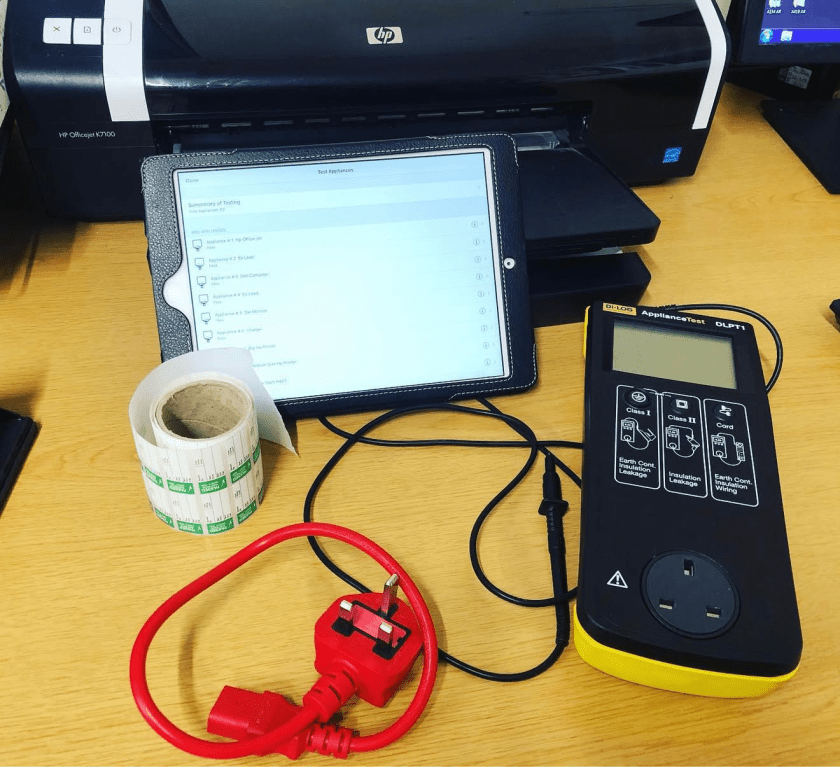
Now, let’s delve into what you can expect regarding the scope of work and time involved in EICR inspections. Understanding this helps prepare for the assessment process.

On-site Assessment Duration

The duration of an EICR assessment can vary. Typically, a domestic property might take a few hours, while larger or commercial properties could require a full day. The time depends on property size, number of circuits, and complexity of the system.

Knowing this helps you schedule inspections without disrupting daily activities. Planning ahead ensures everything runs smoothly, minimizing inconvenience for tenants or employees.

Practical Testing Procedures

During an EICR, several tests and checks are carried out. The electrician will inspect wiring, sockets, and fixtures to identify potential hazards. They will also test the functionality of different circuits and ensure compliance with current regulations.

These procedures are essential for ensuring safety and preventing electrical issues. Understanding what happens during testing can give you peace of mind, knowing the property is in safe hands.

Reporting and Certification Process

After the inspection, you receive a detailed report. This document outlines any issues found and suggests remedial actions. It’s a vital part of maintaining property safety and compliance with legal requirements.

The report also includes a certification, confirming the property meets safety standards. This can be crucial for landlords, providing proof of compliance with safety regulations.

SC Electrical’s Compliance and Support

SC Electrical offers more than just inspections. Our team provides comprehensive support to ensure your property remains safe and compliant.

Itemised Quotations for Remedial Works

One of our key offerings is clear, itemised quotations for any remedial work needed. This transparency helps you understand exactly where your money goes. Avoiding hidden costs allows for better financial planning.

Knowing the extent of required work upfront means no surprises. You can plan remedial actions efficiently, maintaining property safety without breaking the bank.

Coordination with Tenants and Site Managers

Our team excels at coordinating with tenants and site managers. We ensure inspections and remedial works cause minimal disruption. Communication is key, and we keep everyone informed every step of the way.

This approach ensures smooth operations and tenant satisfaction. It’s an essential part of our service, making the entire process hassle-free for property managers.

Benefits of Choosing NAPIT Approved Contractors

Choosing a NAPIT Approved Contractor like SC Electrical offers peace of mind. Our qualifications and expertise guarantee high standards of safety and compliance. You can trust us to deliver quality results.

Our certification means you’re getting service from a team that understands the latest regulations. This ensures your property remains compliant with all safety standards, providing security for both landlords and tenants.

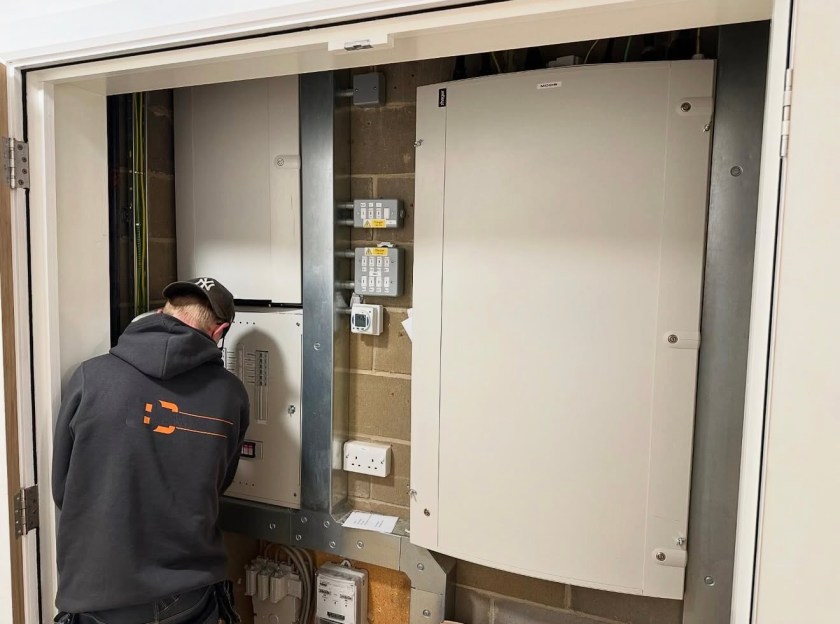
What is an EICR? A Practical Guide for Landlords, Businesses and Farms

An EICR assesses electrical safety in properties, required every 5 years for rentals by law. SC Electrical Contracting Ltd offers certified inspections, reporting, and remedial services in Peterborough and nearby regions.

Many landlords and business owners underestimate the importance of an Electrical Installation Condition Report (EICR) until a problem arises. Yet, knowing the condition of your electrical system is essential for safety and legal compliance. This guide explains what an EICR involves, why it’s required under the Private Rented Sector electrical regulations, and how SC Electrical Contracting Ltd supports properties across Peterborough and surrounding counties with thorough inspections, clear reporting, and reliable remedial works.

Understanding EICR Basics

Let’s dive into the fundamentals of EICRs and why they are vital for safety and compliance.

What is an EICR?

An EICR, or Electrical Installation Condition Report, is a detailed assessment of your property’s electrical systems. It checks the safety and functionality of circuits, wiring, and appliances. The aim is to identify potential fire hazards and other safety issues. It’s crucial for landlords, as it ensures that electrical installations are safe for tenants. Regular checks can prevent costly repairs and ensure peace of mind.

The report categorises any issues found, which helps in understanding the urgency of repairs required. For instance, some faults might need immediate attention, while others can be scheduled for a later date. Understanding EICR is the first step in maintaining a safe environment.

Importance of Electrical Safety

Safety in electrical installations cannot be overstated. Faulty wiring can lead to fires, electrical shocks, and significant property damage. Regular EICR checks can help you avoid these risks. By ensuring your electrical systems are safe, you protect not just your property, but also the well-being of its occupants.

Moreover, having a valid EICR can be a powerful selling point if you decide to rent or sell your property. Potential buyers or tenants will appreciate the assurance that the property is safe. Most people think basic checks are enough, but EICRs provide a thorough review, making them indispensable.

Legal Responsibilities for Landlords

As a landlord, you have legal obligations regarding electrical safety. Under the Private Rented Sector regulations, an EICR is mandatory for rented properties. This ensures that tenants are living in safe conditions. Failure to comply can result in hefty fines and legal action.

Having regular EICRs not only keeps you compliant but also builds trust with tenants. It shows you are committed to providing a safe living environment. The longer you wait to conduct these checks, the higher the risk of facing legal and safety issues. Staying ahead with regular inspections is key to avoiding unnecessary problems.

The EICR Process Explained

Now that you understand the basics, let’s explore what happens during an EICR inspection and what you can expect from the results.

Inspection and Testing Procedures

The inspection process involves a thorough examination of your property’s electrical installations. This includes checking wiring, sockets, fuse boxes, and any fixed appliances. The goal is to ensure everything is in safe working order.

The testing phase involves using specialised equipment to check the electrical circuits. This helps in identifying any hidden issues that might not be visible during a visual inspection. The process is detailed and typically takes a few hours, depending on the property’s size. Ultimately, this ensures your electrical installations meet the required safety standards.

Deciphering Coded Observations

Once the inspection is complete, you’ll receive a report with coded observations. These codes help you understand the severity of any issues found. For example, a C1 code means immediate risk and requires urgent action, while a C2 indicates potential danger needing quick attention. C3, on the other hand, suggests areas for improvement but are not immediately dangerous.

Understanding these codes can be confusing, but they are crucial for prioritising repairs. You can find more information about EICR codes in this detailed guide. Knowing the codes helps you act accordingly, ensuring safety and compliance.

Recommended Testing Intervals

How often should you get an EICR? For rental properties, it’s every five years or at each change of tenancy. Homeowners are advised to have an EICR every ten years. Businesses might need more frequent checks depending on the nature of their operations.

Regular testing is essential for maintaining safety standards. It also helps in identifying potential issues early, saving cost and effort in the long run. Scheduling these checks can be easily overlooked, yet they are fundamental in ensuring ongoing compliance and safety.

SC Electrical’s Commitment to Compliance

Let’s see how SC Electrical Contracting Ltd ensures compliance and safety across various sectors.

NAPIT Approved and CHAS Accredited

SC Electrical Contracting Ltd holds NAPIT approval and CHAS accreditation, highlighting their commitment to high safety standards. These certifications assure you of their expertise and reliable service.

Choosing a contractor with these credentials means you are working with professionals who prioritise safety and compliance. This not only reassures you about the quality of work but also ensures peace of mind regarding legal adherence. Opting for a certified provider like SC Electrical is a step towards guaranteed safety.

Comprehensive Remedial Services

After an EICR, you might need remedial work to fix any issues found. SC Electrical offers a full range of services to address these problems efficiently. Their team can handle everything from minor repairs to major overhauls, ensuring your property meets safety standards.

Having a single provider for inspection and remedial services simplifies the process. It ensures consistency and reliability, avoiding the hassle of dealing with multiple contractors. With SC Electrical, you get seamless service that addresses all your electrical needs.

Ensuring Electrical Safety Across Regions

SC Electrical serves a broad area, including Peterborough, Stamford, and beyond. Their commitment to safety extends across residential, commercial, and agricultural sectors.

By choosing SC Electrical, you benefit from their local expertise and strong reputation. Their focus on compliance and customer satisfaction makes them a trusted partner for all your electrical needs. Keeping your property safe and compliant is their priority, ensuring you receive top-notch service every time.

In conclusion, understanding and implementing regular EICR checks is crucial for safety and compliance. With SC Electrical Contracting Ltd, you receive professional and reliable service that ensures peace of mind. Prioritise your property’s electrical safety today for a secure tomorrow.